Reiki for Beginners
A Simple Guide to Energy Healing and Self-Healing
Lilith Reiki by Pouneh
Disclaimer: This guide is for educational purposes only. It is not professional medical
advice, diagnosis, or treatment. Always consult a healthcare provider regarding medical conditions.
Welcome to Reiki
I’m so glad you’re here.
If you’ve ever instinctually placed a hand on an upset stomach or rubbed an aching shoulder, you already understand
the foundation of energy healing. Human touch is naturally comforting. Reiki takes that instinct and turns it into a
deliberate, focused practice.
You don't need decades of meditation or a profound spiritual awakening to benefit from this. I wrote this guide to
strip away the intimidating terminology and give you exactly what you need to start healing yourself today.
By the end of these pages, you’ll have a clear routine to help quiet your mind, reduce physical tension, and
support your body’s natural rhythm.
Try this right now: Take a deep breath in through your nose. Hold it for two seconds. Now sigh it
out through your mouth. Notice how your shoulders drop. You’ve just taken your first step toward healing.
What is Reiki? The Basics
Reiki (pronounced Ray-Key) is a simple Japanese technique for stress reduction that promotes healing. The
name comes from two Japanese words:
- Rei: Universal or higher knowledge
- Ki: Life energy

Together, it translates to "universal life energy." It’s the unseen energy that flows through all living things.
When your energy is high, you feel healthy and happy. When it is low, you feel stressed or sick.
A Quick History
A man named Mikao Usui developed Reiki in Japan in the early 1900s. He wanted a healing system anyone could use,
regardless of their background or beliefs. Today, it’s practiced everywhere, even in major hospitals, to help
patients recover.
What Reiki is NOT:
- It isn't a religion.
- It isn't magic.
- You don't have to "believe" in it for it to work.
How Reiki Actually Works
Think of the energy in your body like water flowing through a garden hose. When you are relaxed, the water flows
freely. When you are anxious or unwell, the hose gets kinked. The water slows down.
Reiki is the gentle un-kinking of that hose.
When you place your hands on your body with the intention to heal, you act as a funnel for fresh, clean energy.
This flow moves to where you need it most, clearing tension and helping your body reset.
It’s natural. Your body already knows how to heal a cut or mend a bone; Reiki just gives those natural systems the
energy boost they need to do their job efficiently.
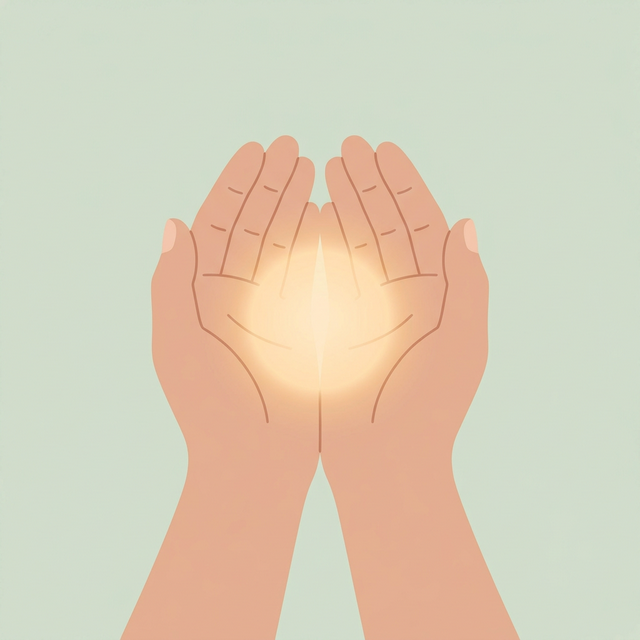
Try this: Rub your hands together briskly for 15 seconds until they feel warm. Now, pull them an
inch apart and hold them still. Notice that faint tingling or magnetic pull? That is your Ki—your
personal energy.
The Benefits of Energy Healing
My students love Reiki because it is gentle, safe, and deeply empowering. When you practice self-Reiki regularly,
you’ll start noticing subtle but profound shifts.
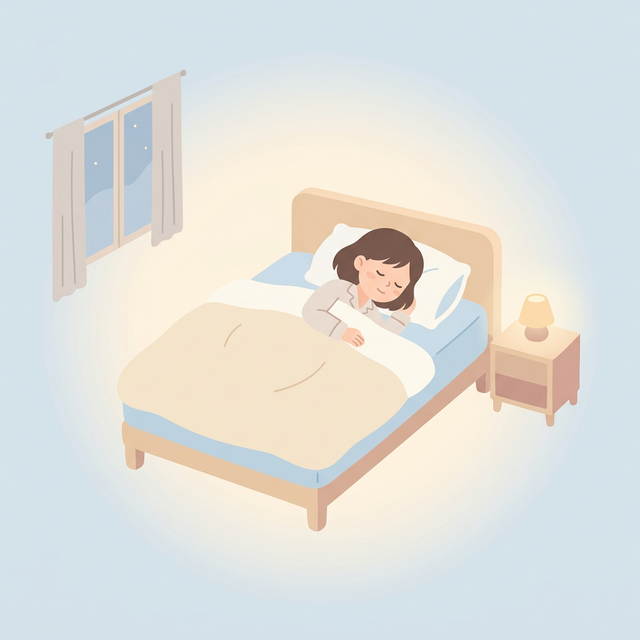
What to Expect Physically:
- Better, deeper sleep.
- A release of tight muscles and chronic tension.
- A stronger, more supported immune system.
What to Expect Emotionally:
- A quieter mind with less anxious looping.
- Sharper focus and clarity.
- Emotional resilience—you’ll bounce back from stress much faster.
The best part? This gives the power of healing back to you. You now have a practical tool you can use anytime,
anywhere, completely free.
Preparing for a Session
You do not need absolute silence or a perfectly curated meditation room to practice Reiki. However, creating a
comfortable space signals to your brain that it is time to shift gears and relax.
Setting Your Space:
- Find comfort: Sit in a supportive chair or lie in bed.
- Minimize distractions: Silence your phone. If your house is noisy, put on some soft
instrumental music.
- Get cozy: Your body temperature drops when you relax. Keep a blanket nearby.
Mental Preparation:
Please don't try to force your mind to go blank. That never works. It is entirely normal to have thoughts. When you
suddenly remember you need to buy milk, simply notice the thought, let it go, and bring your attention back to your
hands.
Grounding and Centering
Before you move energy, you must be anchored. "Grounding" simply means pulling your awareness out of your swirling
thoughts and planting it down into your physical body and the earth.
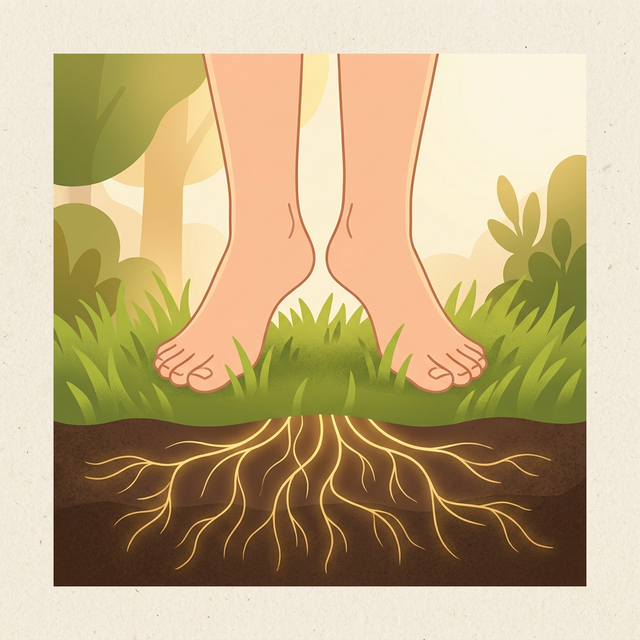
Being grounded keeps you feeling solid and present, rather than spacey or lightheaded.
Try this 60-Second Grounding Exercise:
- Sit with both feet totally flat on the floor.
- Close your eyes and take three slow breaths.
- Imagine thick tree roots growing out of the bottoms of your feet, pushing through the floor, deep into the
soil.
- Feel how steady the earth is under you. You are held, stable, and ready.
The Power of Intention
Energy follows thought. In Reiki, we use an "intention" to give the energy a clear job description. Without it,
Reiki still relaxes you. But with an intention, your session becomes remarkably precise.
An intention is a simple, positive statement of what you want to achieve.
Examples of Clear Intentions:
- "I am open to receiving healing energy to calm my mind."
- "Let this energy soothe the tension in my neck."
- "I invite deep, restorative sleep into my body."
How to use it: Just before you place your hands, silently state your intention one time. Then,
drop it. You don't need to chant it over and over. Demand less, allow more. Set the intention, and trust the energy
to do the rest.
Understanding Your Chakras
If energy is water in a hose, think of "chakras" as the main water valves. Chakras are energetic intersections
running from the base of your spine to the top of your head.
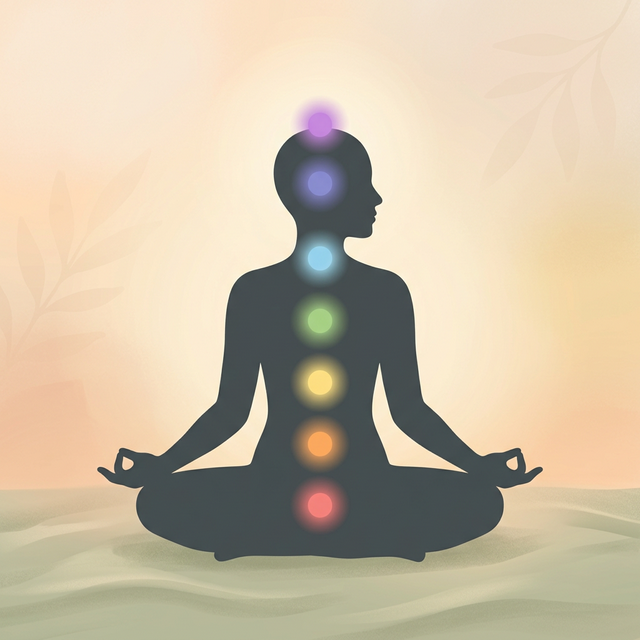
Each valve manages a different physical area and a different set of emotions.
- When a chakra is balanced, energy flows smoothly. You feel physically healthy and emotionally
secure.
- When a valve is blocked, you might feel physical tightness in that area or struggle with
emotional roadblocks (like feeling ungrounded, disconnected, or unable to speak up).
During a session, we place our hands over these specific centers to ensure all the valves are open and turning
smoothly.
Your Chakra Cheat Sheet
1. Root Chakra (Base of spine)
Controls: Survival, physical security, grounding.
2. Sacral Chakra (Lower belly)
Controls: Creativity, joy, healthy boundaries.
3. Solar Plexus Chakra (Stomach area)
Controls: Willpower, confidence, inner drive.
4. Heart Chakra (Center of chest)
Controls: Love, deep compassion, forgiveness.
5. Throat Chakra (Base of throat)
Controls: Communication, speaking your truth clearly.
6. Third Eye Chakra (Between the eyebrows)
Controls: Intuition, trusting your gut, wisdom.
7. Crown Chakra (Top of the head)
Controls: Spiritual connection, profound peace.
Introduction to Hand Positions
Delivering Reiki is as simple as placing your hands on or just above your body.
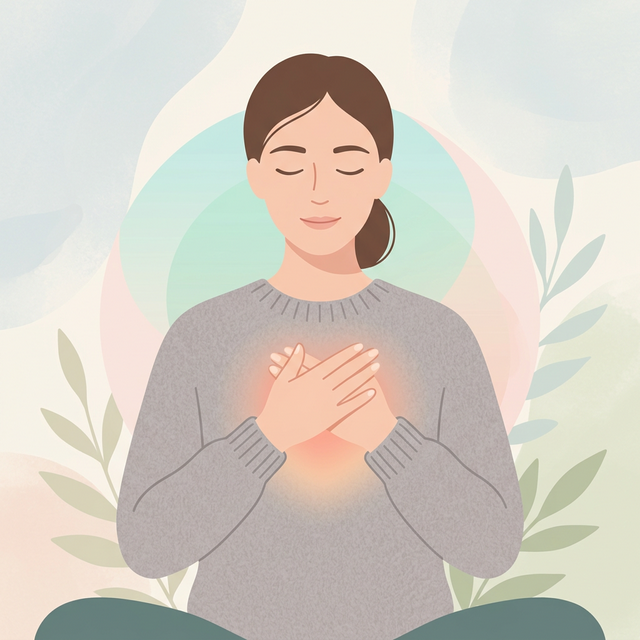
The Hand Shape: Keep your fingers lightly touching and your palms slightly cupped, as if you’re
holding a small pool of water. Stay relaxed. Tension blocks flow.
The Touch: Rest your hands gently on yourself. If a spot is physically sensitive, or you just
prefer not to touch it, hover your hands an inch above the skin. It is equally effective.
The Golden Rule: There is no strict "wrong" way to do this. The positions on the next page are
simply a roadmap to get you started. If your shoulder aches and you want to leave your hands there for the entire
ten minutes, do it. Trust your intuition above all else.
The Hand Position Guide
Spend about two minutes in each position.
1. Eyes & Forehead
Cup hands gently over your closed eyes.
2. Ears
Rest palms flat over your ears.
3. Back of Head
Cradle the base of your skull.
4. Throat
Lightly rest hands on your collarbones (no pressure).
5. Heart
Place both hands flat over the center of your chest.
6. Solar Plexus
Rest hands right below your ribcage.
7. Lower Belly
Create a V-shape with your hands over your lower abdomen.
8. Knees
Rest a hand on each knee.
9. Feet
Touch the top or bottom of your feet to ground the energy.
Your First Self-Healing Session (Part 1)
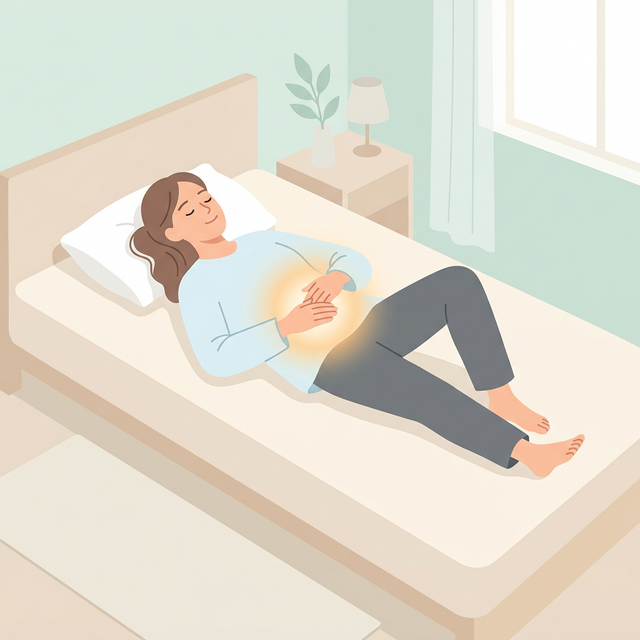
Let’s put it into practice. Set a timer for 10 or 15 minutes so you can fully let go of clock-watching.
Step 1: Get Grounded
Sit or lie down. Close your eyes. Feel the roots extending from your feet. Take three deep, unhurried breaths.
Step 2: Set the Intention
State silently: "I am ready to relax. I allow healing energy to flow through me for my highest good."
Step 3: Start at the Top
- Bring your hands to your eyes. Relax your shoulders away from your ears. Breathe normally. Hold here.
- Pay attention to sensations. Heat? Tingling? A cool breeze? Nothing at all? It is all perfectly normal. Just
breathe.
- When you feel ready, slide your hands to your ears.
Your First Self-Healing Session (Part 2)
Step 4: Move Down the Body
- Bring your hands to your Heart Chakra in the center of your chest. Feel the steady rhythm of your breathing.
Allow the energy to dissolve any emotional weight you're carrying.
- Slide your hands down to your upper stomach, and then to your lower belly.
- When your mind inevitably wanders, smile at the distraction, drop it, and refocus entirely on the physical
warmth of your palms.
Step 5: Trust the Pull
If you suddenly feel an urge to move your hands to your aching lower back, ignore my roadmap and go there. That is
your inner wisdom guiding the energy. Stay there until the ache softens.
Closing the Session
When you finish your sequence or your timer goes off, it is vital to close the session intentionally. This ensures
you don't carry a "floaty," ungrounded feeling back into your day.
Step 1: Ground Back Down
Place your hands flat on your thighs. Imagine any excess, buzzing energy flowing straight down your legs, out
through your feet, and safely back into the floor.
Step 2: Express Gratitude
Simply say "thank you" in your mind. Thank the energy, the universe, or just thank yourself for pausing to
prioritize your well-being.
Step 3: Wash Up
This is an excellent physical cue to "disconnect." Go to the sink, run cold water over your hands, and shake them
dry. Drink a tall glass of water to help flush toxins out of your muscles.
The 7-Day Beginner Practice Plan
Consistency builds momentum. Commit to just 10 minutes a day.
Day 1: The Head Focus
Spend 10 minutes strictly on your head and face. Notice how clear your thoughts feel afterward.
Day 2: The Heart Relaxer
Rest both hands on your chest for 10 minutes. Breathe slowly. Notice any emotional shifts.
Day 3: The Gut Check
Keep your hands on your stomach. This is brilliant for digestion and releasing deeply held physical tension.
Day 4: The Quick-Scan
Spend just one minute on every position, moving efficiently from your head down to your feet.
Day 5: Intuitive Flow
Set the timer and hide this guide. Let your hands go wherever they feel naturally pulled.
Day 6: Bedtime Reiki
Practice lying in bed. It doesn't matter if you fall asleep—the energy still works.
Day 7: The Morning Anchor
Practice as soon as you wake up to set a grounded, confident tone for your entire day.
5-Minute "Reiki on the Go"
You won't always have a quiet room. When life gets chaotic, Reiki is your hidden tool. You can use it discreetly,
wherever you are.
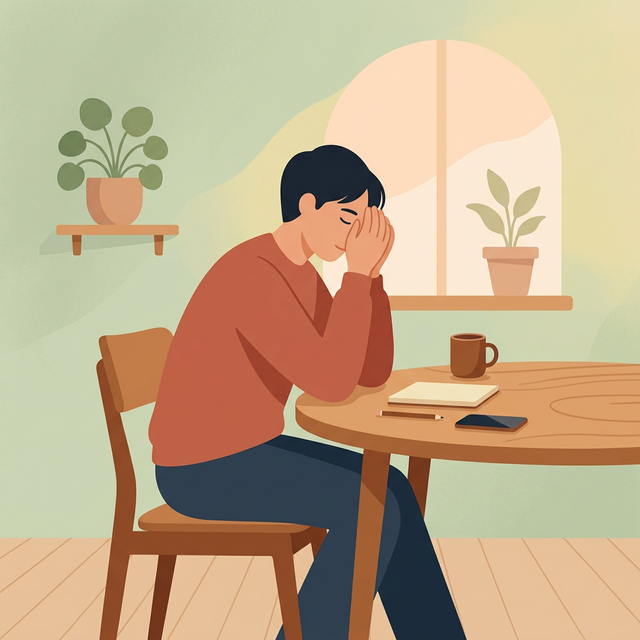
At Your Desk (For Mental Fatigue):
Rest your elbows on the desk. Cup your hands over your closed eyes. Set a quick intention for clarity. Breathe
deeply for 2 minutes.
In the Car (For Stress - Parked only!):
Grip the steering wheel and plant your feet firmly. Imagine roots anchoring the car to the road. Take 5 deep breaths
and imagine calm energy washing the tension out of your shoulders.
Anywhere (For Sudden Anxiety):
Place one hand on your heart and the other on your lower belly. Nobody will know you’re doing Reiki. Focus entirely
on the space between your hands for 3 minutes.
Healing Affirmations
Affirmations retrain your brain. Repeating these while practicing self-Reiki allows the message to soak deeply into
your subconscious. Choose one that feels true to you.
For Anxiety:
- "I am safe right here, right now."
- "With every exhale, I release tension."
For Physical Healing:
- "My body knows exactly how to heal itself."
- "I send deep rest to every cell in my body."
For Emotional Balance:
- "I completely release what I cannot control."
- "I am worthy of peace."
Try this: Pick one phrase. Rest your hands over your heart and repeat it gently in your mind three
times.
Frequently Asked Questions
What if I don't feel anything in my hands?
This is incredibly common! Some people feel intense heat or tingling, but many feel absolutely nothing. That is
fine. Reiki flows regardless of physical sensation. Your proof that it’s working is how deeply relaxed you feel
afterward.
Can I do it wrong?
No. If your intention is positive, you cannot make a mistake. Energy is intelligent. It goes where it is needed,
even if your hands are technically in the "wrong" spot.
Can I do too much Reiki?
Yes, actually. Just like drinking too much water or sleeping for 16 hours, your body can reach a physical limit
with energy work. If you practice for hours on end, you might feel fatigued, spacey, or irritable as your body
processes it. Stick to 10-20 minutes a day while you are learning.
Do I need a special certification?
Traditional teachings require an "attunement" from a Master. While formal classes are wonderful, basic energy
healing is your natural human right. This guide teaches you to tap into your innate instincts.
Daily Reflection Journal
Print this page to track your daily progress.
1. How does my body feel right now? (Pain, tight shoulders, tired?)
2. How does my mind feel right now? (Anxious, calm, scattered?)
3. What is my intention for this practice?
DO
YOUR PRACTICE NOW
Post-Session Check-in:
4. What physical or emotional sensations did I notice?
5. How do I feel compared to ten minutes ago?
Conclusion & Next Steps
Congratulations. You’ve just taken a massive step toward owning your own peace and well-being.
I want to remind you that self-healing isn't about achieving a state of absolute perfection. It’s not about never
having a stressful day or a headache ever again. It is simply about having a reliable, powerful tool in your back
pocket to help you find your center when life inevitably throws you off balance.
Your Next Steps:
- Commit to the 7-Day Practice Plan.
- Print the Chakra Cheat Sheet and Hand Positions so you can step away from your screens.
- Be incredibly patient with yourself. This is a practice, not a performance.
Thank you for allowing me to be a small part of your healing journey. Walk in light.